
Python has firmly established itself as one of the most popular and versatile programming languages in the world. Whether you are a beginner stepping into coding or a professional developer working on advanced systems, Python offers the flexibility, simplicity, and power needed to build modern applications. In 2026, Py
What is Python?
Python is a high-level, interpreted programming language known for its simple syntax and readability. Created by Guido van Rossum and released in 1991, Python was designed to emphasize code clarity and developer productivity. Its syntax closely resembles the English language, making it easier for beginners to learn compared to other programming languages.
Unlike compiled languages, Python executes code line by line, which allows for quick testing and debugging. This makes it highly suitable for rapid development and prototyping.
Why Python is So Popular
One of the biggest reasons behind Python’s popularity is its ease of use. Developers can write fewer lines of code compared to languages like Java or C++, which reduces development time. But simplicity doesn’t mean weakness—Python is incredibly powerful.
Another major advantage is its massive ecosystem. Python has thousands of libraries and frameworks that support everything from web development to machine learning. Some popular libraries include:
- NumPy and Pandas for data analysis
- TensorFlow and PyTorch for machine learning
- Django and Flask for web development
This rich ecosystem allows developers to build complex applications without starting from scratch.
Key Features of Python
Python stands out due to its unique features that make it suitable for both beginners and experts.
1. Easy to Learn and Read
Python uses simple and clean syntax. Even someone without a programming background can understand basic Python code quickly.
2. Platform Independence
Python is cross-platform, meaning you can write code on one system and run it on another without modifications.
3. Large Community Support
Python has one of the largest developer communities. This means plenty of tutorials, forums, and resources are available for learning and troubleshooting.
4. Versatility
From web apps to automation scripts, Python can be used in multiple domains.
5. Integration Capabilities
Python can easily integrate with other languages like C, C++, and Java, making it ideal for complex projects.
Applications of Python in 2026
Python is not limited to one industry. Its applications are growing rapidly across multiple sectors.
Web Development
Python frameworks like Django and Flask help developers build secure and scalable web applications. Many popular websites use Python in their backend.
Data Science and Analytics
Python is the backbone of data analysis. Libraries like Pandas and Matplotlib help process and visualize large datasets efficiently.
Artificial Intelligence and Machine Learning
Python is the top choice for AI development. Tools like TensorFlow and PyTorch make it easier to build intelligent systems, including chatbots and recommendation engines.
Automation and Scripting
Python is widely used for automating repetitive tasks such as data entry, file handling, and web scraping.
Cybersecurity
Python helps in building tools for ethical hacking, penetration testing, and security analysis.
Game Development
Although not as dominant as C++, Python is still used for simple game development and prototyping.
Python for Beginners
If you are starting your programming journey, Python is one of the best choices. You don’t need a powerful computer or complex setup. Just install Python and start coding.
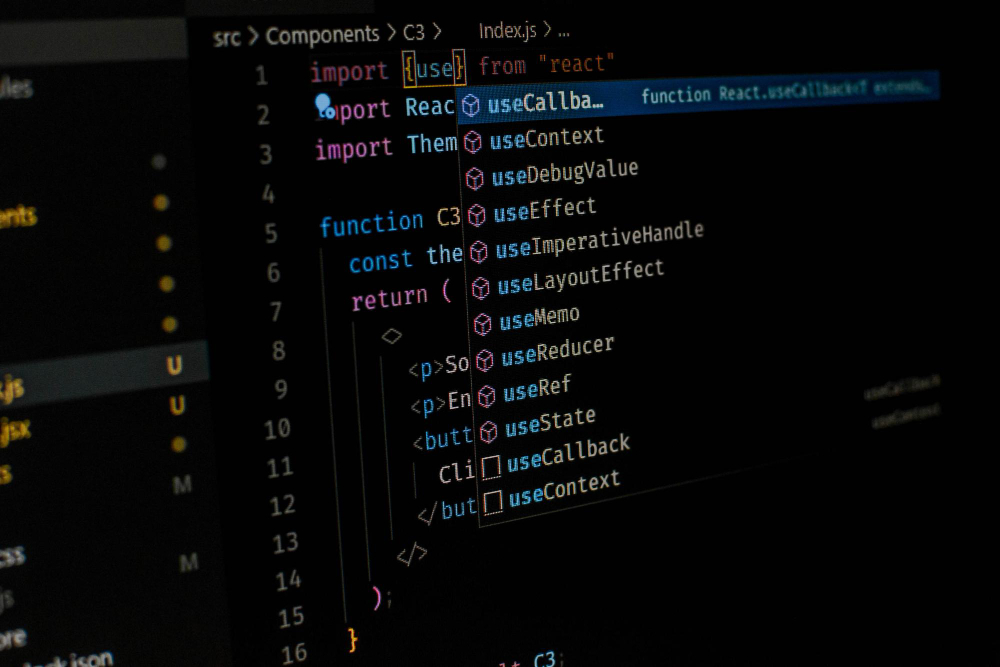
Here’s a simple Python example:

Python Automation for Data Reconciliation
Automate tedious reconciliation tasks using pandas, SQLAlchemy, and scheduled scripts.
Read more
Is Your Business Still Invisible? Why Digital Marketing is No Longer Optional
In a world where the first place people look for solutions is their smartphone, if you are…
Read more