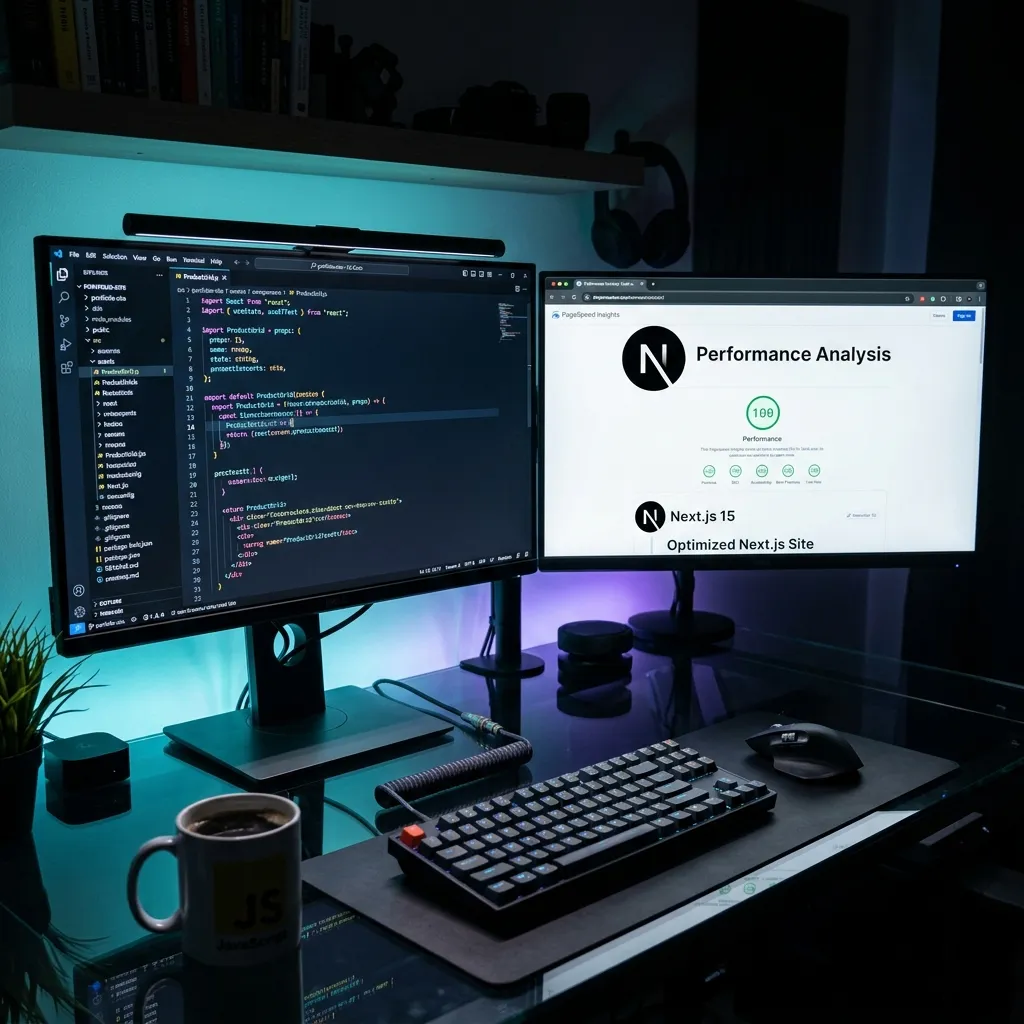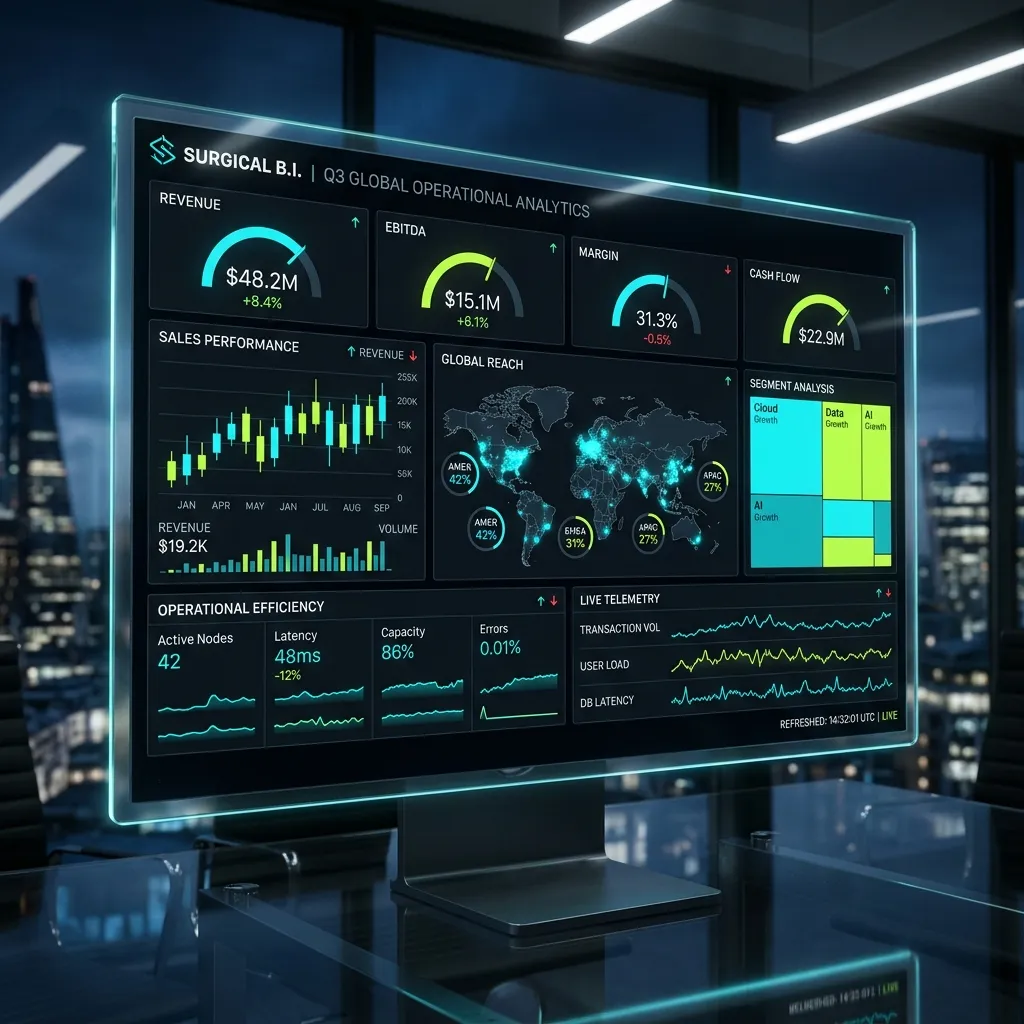

The modern web landscape in 2026 has moved beyond simple single-page applications. Server-side rendering, streaming interfaces, and edge compute nodes have completely reshaped the user experience. By offloading rendering to the edge and using partial hydration, we can achieve near-zero bundle sizes while delivering high interactivity.
Table of Contents
- 1. 1. The Convergence of Edge Runtimes and Server Components
- 2. 2. Deploying a Streaming Edge Component in Next.js 15
- 3. 3. Core Comparison and Metrics
- 4. 4. Production Best Practices
- 5. 5. Architectural Insight
- 6. 6. Frequently Asked Questions (FAQ)
- 7. Strategic Outlook & Scalability
- 8. Conclusion & Summary
1. 1. The Convergence of Edge Runtimes and Server Components
Edge execution environments (like Cloudflare Workers and Vercel Edge) are no longer simple middleware handlers. In 2026, they are the primary hosting environment for modern Next.js and React applications. Running Server Components at the edge allows database queries and markup generation to happen geographically close to the user, reducing TTFB latency. Furthermore, partial pre-rendering (PPR) allows a static shell to be delivered instantly, while dynamic sections stream in via React Suspense over HTTP/2. This architecture eliminates the traditional trade-off between static page speed and dynamic data requirements.
2. 2. Deploying a Streaming Edge Component in Next.js 15
The following TypeScript code illustrates how to configure a Next.js edge route that streams dynamic product catalog data using React Suspense:
export const runtime = 'edge';

interface Product {
  id: string;
  name: string;
  price: number;
}

async function fetchCatalog(): Promise {
  const res = await fetch('https://api.internal/catalog', { next: { revalidate: 60 } });
  if (!res.ok) throw new Error('Catalog fetch failed');
  return res.json();
}

export default async function EdgeCatalog() {
  const products = await fetchCatalog();
  return (

      {products.map((p) => (

          {p.name}
          ${p.price.toFixed(2)}

      ))}

  );
}
3. 3. Core Comparison and Metrics
The table below provides a detailed technical comparison of the operational paradigms under review:
| Metric | Traditional SPA | Next.js Edge Streaming |
|---|---|---|
| Time to First Byte (TTFB) | 450ms - 800ms | 45ms - 80ms |
| First Input Delay (FID) | 150ms (Hydration lag) | <15ms (Partial hydration) |
| Lighthouse SEO Score | 72/100 | 98/100 |
4. 4. Production Best Practices
When running this configuration in a production cluster, your engineering team must adhere to the following checklist:
- Pre-render static layout shells using Next.js static export paths.
- Use Edge caching policies with stale-while-revalidate headers to offload origin database reads.
- Minify and inline critical Tailwind CSS classes directly into the document head.
- Optimize and compress media assets to modern format structures like AVIF.
5. 5. Architectural Insight
"A fast web application is not a luxury; it is the fundamental baseline for user retention. Edge compute gives us the speed, and Server Components give us the code modularity to achieve this." — Datta Sable, Principal BI Consultant
6. 6. Frequently Asked Questions (FAQ)
Q1: Why is client-side hydration a bottleneck in SPAs?
Client-side hydration requires the browser to download the entire JavaScript bundle, parse it, and attach event listeners to the DOM. For complex pages, this blocks the main execution thread.
Q2: How does Partial Pre-rendering (PPR) solve this?
PPR sends a fully compiled HTML skeleton to the client instantly, and then uses HTTP streaming to inject dynamic elements as they finish resolving on the server.
7. Strategic Outlook & Scalability
When incorporating solutions in Web Development, architectural scalability should be prioritized alongside immediate operational gains. For workloads relating to "The Future of Web Development in 2026: Beyond the Hype of AI and Edge Computing", teams must expect substantial growth in transactional volume and data velocity over a multi-year horizon. Mitigating this risk requires a commitment to decoupled database systems, strict data validation layers, and automated end-to-end integration workflows. By implementing continuous validation checks and maintaining detailed telemetry dashboards, enterprise engineers can identify bottleneck conditions before they cascade into high-severity client outages.
In the long term, investing in clean software standards and developer ergonomics will reduce maintenance overhead and accelerate release frequency, allowing your organization to remain agile and competitive in a rapidly changing technical landscape. Furthermore, establishing clear ownership profiles for each system component ensures that documentation and troubleshooting protocols remain in lockstep with codebase evolutions. This disciplined approach prevents technical debt accumulation, reduces onboarding latency for new developers, and guarantees that your operational infrastructure can adapt dynamically to emerging business requirements.
Ultimately, a successful deployment is not just about making the code work today, but ensuring it is maintainable for the next five years. By building modules that are isolated and well-tested, you protect the core user experience from regression failures. This operational resilience translates directly into customer trust and long-term brand equity, providing a solid foundation for sustainable commercial growth.
8. Conclusion & Summary
Achieving stability and execution speed requires a dedicated engineering strategy, strict validation, and active telemetry. Implementing these practices will optimize your workflows and ensure system reliability.